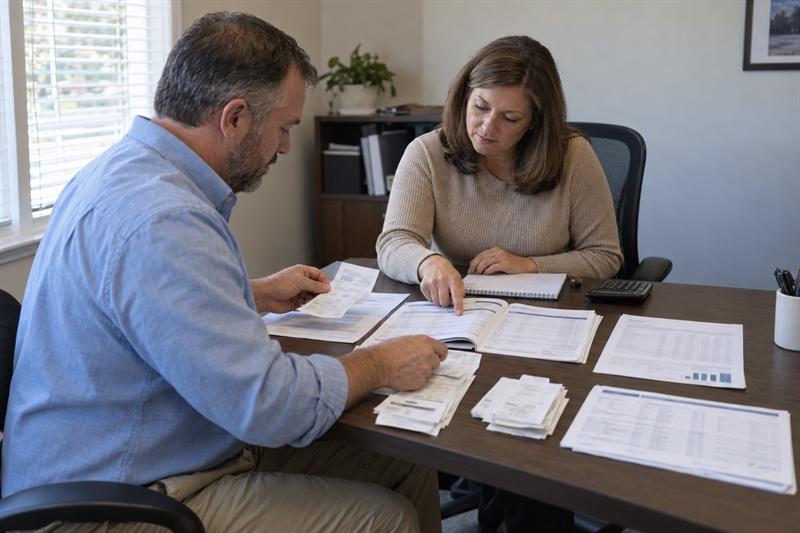
The start of a new year is often the time people think about getting their finances in order. Whether it’s setting a budget or trying to save more, taxes always seem to be part of the mix. For many, tax season brings stress, but knowing what’s changed in the system can make it less confusing. Like anything else with money, a little planning early on can save time and frustration later.
Each year brings new tax updates that might affect what you owe or what you might get back. Some years the changes are small, but others bring bigger shifts that can catch you off guard if you’re not ready. Being aware of what’s new helps you stay on top of things, avoid surprises, and better plan for your goals. Whether you’re filing on your own or working with someone, knowing what to expect is one of the smartest things you can do.
Key Tax Changes For The Upcoming Year
Tax laws don’t stay the same for long. At the federal level, a few updates happen almost every year, and this coming tax season is no different. While every situation is different, there are a few changes that most people should keep an eye on so they don’t miss out on useful adjustments or fall behind on new requirements.
Here are some federal-level updates that could affect personal returns:
– Income brackets may shift slightly due to cost-of-living adjustments, which could mean you fall into a different tax range without realizing it
– Standard deduction amounts are often updated each year, which could affect how much of your income is taxable
– There may be new or updated tax credits for things like child care, education, or energy-efficient home improvements
– Limits on retirement contributions like IRA or 401(k) accounts might change, offering the chance to save more with tax advantages
– Rules on digital asset reporting, such as cryptocurrency transactions, are becoming stricter and could require additional documentation
Let’s say you sold some stock or a few digital coins during the year. If the rules for reporting added steps or documentation and you weren’t aware, that could cause delays or issues with your return. Staying informed helps avoid last-minute scrambling or unexpected letters from the IRS.
Changes won’t be the same for everyone. Some updates might help you get a bigger refund or reduce what you owe. Others might take you by surprise if you’re used to your return looking the same every year. That’s why it’s a good idea to stay current and tackle tax prep sooner rather than later.
State-Specific Tax Updates For North Carolina
While federal changes apply across all states, North Carolina has its own tax rules that may affect your return in different ways. Keeping up with state-level changes is just as important, especially when you’re filing both state and federal taxes.
Some state-specific updates that North Carolina residents should be aware of include:
– Adjustments to the flat income tax rate, which can impact how much you owe based on your yearly earnings
– Changes to deductions for retirement income or Social Security benefits, which may benefit older taxpayers
– Updates to child tax credits or earned income tax credits that are specific to the state and may differ from federal versions
– Rules around deductions for education expenses or in-state college savings accounts
– Property tax relief programs being expanded or modified, depending on income or age
If you live in a place like Elizabethtown, it’s helpful to match these changes with your own situation. Whether you’re a parent, retired, or just starting out in your career, new tax policies can quietly shift your bottom line. Knowing what to expect at the state level helps keep your North Carolina return smooth and accurate. It also reduces the chances of underpaying or missing out on tax breaks you qualify for.
Keeping track of federal and state updates can feel like a chore, but it’s worth the effort. Even a few minutes looking over what’s new this year can end up making a big difference when it’s time to file.
Practical Steps To Prepare For Tax Changes
Now that you know what’s coming at both the federal and North Carolina state levels, it’s time to get prepared. Getting organized ahead of time makes the filing process smoother and helps reduce errors. Waiting until the last minute can lead to missed deductions, incomplete records, and unnecessary stress.
Here are a few ways to start preparing now:
1. Gather Documents Early
Keep all tax-related documents in one place. This includes W-2s, 1099s, mortgage interest statements, bank interest summaries, and receipts for deductible expenses. If you’re self-employed, keep track of both income and business-related expenses.
2. Review Last Year’s Return
Looking over your previous return can help spot things you might forget this year. Note any major changes in your financial situation, like a new job or a move, that could affect this year’s taxes.
3. Adjust Your Withholding
If you received a big tax bill or refund last year, it might be time to revisit your withholding. Changing your W-4 at work can help you better match your tax payments with your actual liability.
4. Make Estimated Payments
If you’re self-employed or earning income not subject to withholding, estimated tax payments may help avoid penalties. Watch for updates on thresholds and payment due dates.
5. Don’t Rely on Free Tools Alone
Online calculators and basic tax software have their limits. If your tax picture gets more complicated, like selling property or starting a side gig, it’s smart to have someone review it with you.
Preparing doesn’t mean you have to handle every figure or form yourself. It means being ready with your paperwork and knowing where your gaps are. A short prep session now can save hours later, especially if something unexpected pops up.
Common Mistakes To Avoid With New Tax Rules
Tax laws can be hard to follow, and even small missteps may delay your refund or trigger notices from the IRS or state department. With several new updates rolling out, here are a few things to watch out for when filing your return:
– Ignoring new updates because you assume your taxes are the same every year
– Missing forms related to digital assets or side income like freelance jobs or rental property
– Forgetting to update your personal information, such as a changed name or new address
– Claiming credits or deductions you no longer qualify for due to income changes
– Getting your filing status wrong, especially after life events like marriage or divorce
Let’s say you switched jobs midyear, moved to a new city, and picked up extra income from a side gig. Changes like that can affect how much tax you owe, where you file, and what credits apply. These are the types of things that often slip through the cracks if you’re trying to speed through filing day.
The more you assume things stayed the same, the more likely you are to leave something out or file incorrectly. Tax software might not catch every issue, especially if you don’t answer the prompts just right. Watching for these common issues helps your return stay accurate and could even improve your refund results.
Ready for a Smooth Tax Season Ahead
The best way to manage upcoming tax changes is by getting ahead of them. Set aside time now to review what’s new, gather your papers, and get expert input. Whether your finances have stayed stable or seen recent changes, being prepared always puts you in a better position.
Every year brings something a little different when it comes to taxes. Some updates might save you money, while others could require extra steps. Staying informed now means fewer surprises and less stress later. If things feel complicated or you’re unsure where to start, getting help early can make all the difference. A bit of planning can go a long way in making tax season feel routine instead of rushed.
Ready to tackle the upcoming tax season with confidence? Make the most of available credits and deductions by turning to personal tax preparation with Speedy Tax Preparation & Bookkeeping Service. We’re here to help you stay ahead of changes so you can file accurately and stress-free.