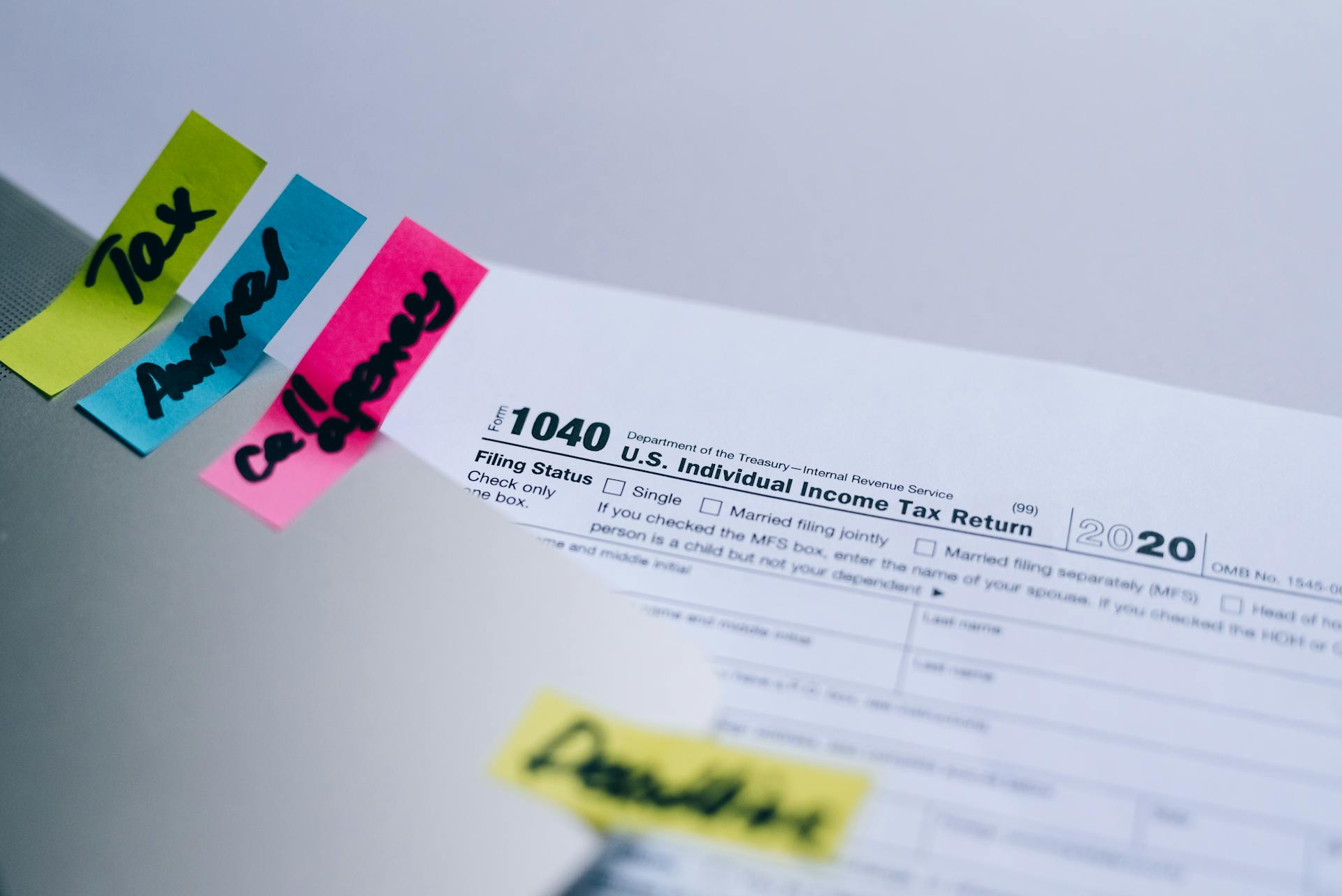

Every year, as April gets closer, the weight of doing taxes starts to build for a lot of people. Whether it’s gathering papers, double-checking numbers, or trying to remember what changed since last year, there’s always a bit of pressure. The good news is that personal tax preparation doesn’t have to feel like a giant task. When broken down into smaller steps, it becomes simpler to manage, and even less stressful to get through.
Right now, while we’re still in March, is the perfect time to start if you haven’t already. The process gets smoother when you know what to expect and what you need. Rather than waiting until the last days before the deadline hits, setting things up early can help you breathe easier and avoid missing something important.
Understanding What You Need Before You Start
Getting ready for tax season means knowing what documents to gather and how to keep them in one place. It doesn’t have to be complicated. In fact, many people find that most of the paperwork is already in their mailbox or email inbox.
- Income records, like W-2s from jobs or 1099s if you’re self-employed, are the first big items to track down
- Identification documents, including your Social Security number and any details for dependents, should be on hand
- Records of possible deductions, such as student loan interest, childcare expenses, or charitable donations, can lower your taxable income
By collecting these in early spring, you give yourself extra time to work through everything without feeling rushed. This is especially helpful here in North Carolina, where both federal and state forms may apply. Staying organized now means fewer surprises later in April.
According to our website, we offer e-filing and direct deposit options, making it easier and faster for North Carolina clients to submit returns and get refunds.
Knowing Which Forms Apply to You
The right form depends on what kind of money you made and what changed in your life last year. Some people only file a simple return with a W-2 from their job. Others may have extra forms for freelance work, retirement distributions, or unemployment income.
Here are a few of the most common ones:
- W-2 for full-time or part-time job income
- 1099-NEC for contract work or side gigs
- 1098 forms for mortgage interest or student loans
- Schedule C if you run a small business or do freelance work
If you had big changes recently, like starting a business, selling a home, or adding a new child to your household, your forms will look different. And if you’re filing in North Carolina, don’t forget that the state requires separate documentation from the federal return. Knowing the difference makes it easier to file everything right the first time.
Our service team reviews all documentation and explains which federal and state forms you need, helping prevent confusion at filing time.
Avoiding Common Mistakes That Hold Up Your Return
Almost everyone wants their refund to show up quickly. But small mistakes can slow things down fast. Even tiny errors can cause a return to be flagged or rejected.
- Double-check Social Security numbers to make sure they match what’s on your official documents
- Look out for math mistakes, especially if you’re adding numbers by hand
- Don’t forget to sign your return if you’re mailing it in
Many people overlook these basic steps when they’re in a rush. Filing early gives you room to look things over, spot anything that seems off, and fix problems before they cost you time. Taking a second look with rested eyes can spot things you missed the first time through.
Staying Organized If You’re Expecting a Refund or Owe Money
Whether you’re getting money back or sending some in, it helps to plan ahead. That way, you won’t be caught off guard either way.
- If you’re expecting a refund, keep your bank routing and account numbers safe and easy to find
- If you owe money, figure out the total early, and look into payment options before the deadline creeps up
- Set reminders for any payment plans or extension forms, if those end up needed
By taking action now, there’s less chance of scrambling later. It’s much easier to review your return and focus when you’re not under last-day pressure. And if you’re mailing a check or want to avoid processing delays, early planning makes a real difference.
How Smart Planning Makes Next Year’s Filing Easier
Preparing taxes is not just about this year. It’s also a chance to set yourself up better for the next one. Keeping good habits now means less work later.
- Start saving receipts and records for deductions throughout the year, instead of trying to collect everything next March
- Set up a folder, paper or digital, for any tax-related documents that come in during the year
- Keep a short checklist of life changes, like a new job, vehicle purchase, or paid-off loan, that might change your tax situation
These habits help take tax season from being a once-a-year rush to something that stays low-stress all year long. With a clear process in place, next spring won’t feel so heavy.
Taking the Stress Out of Tax Season
Personal tax preparation can feel much easier when you give yourself a few tools and a little lead time. Getting organized early, using the right forms, and avoiding common errors all work together to keep things simple.
We’ve seen how each step, gathering papers, checking details, making smart plans, adds up to peace of mind when April comes around. Tax season doesn’t have to catch you off guard. With small efforts now, it can become a smoother, more manageable part of your yearly routine.
Staying ahead with your taxes this spring in North Carolina is easier with guidance you can trust. No matter how simple or complex your situation, we walk you through each part of your return from start to finish. Getting a head start with your personal tax preparation means fewer headaches and more peace of mind. At Speedy Tax Preparation & Bookkeeping Service, we’re ready to help you get it done right, just give us a call to get started.