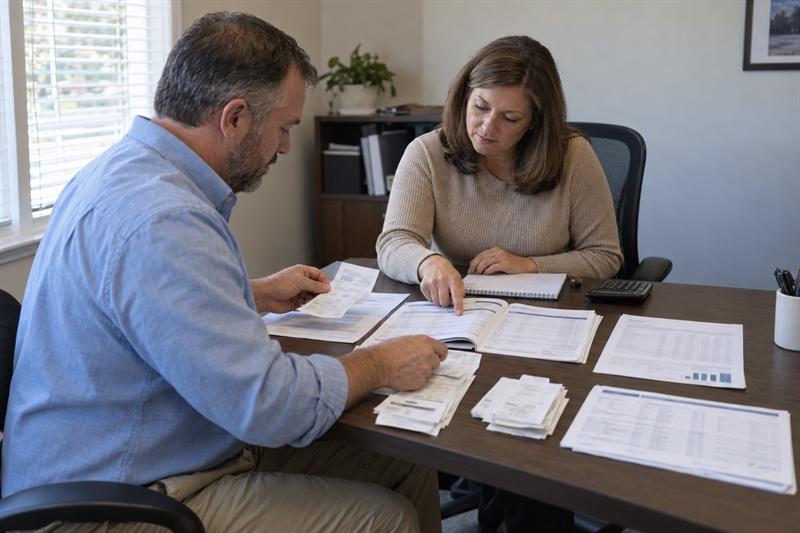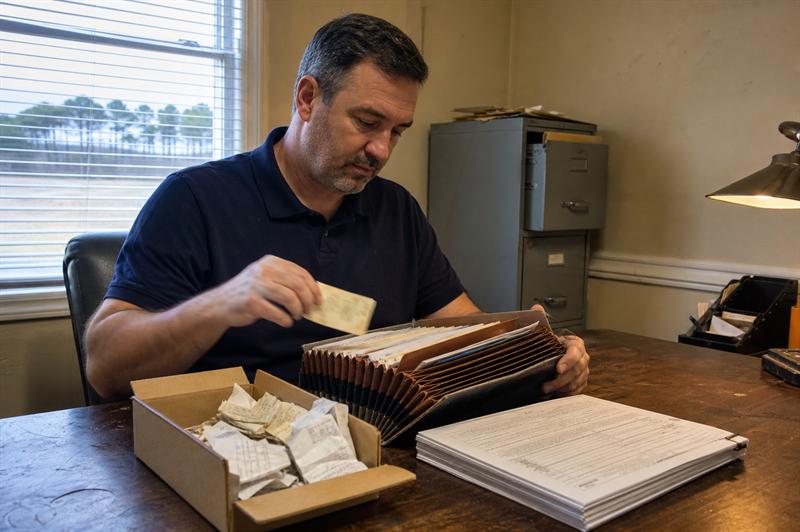
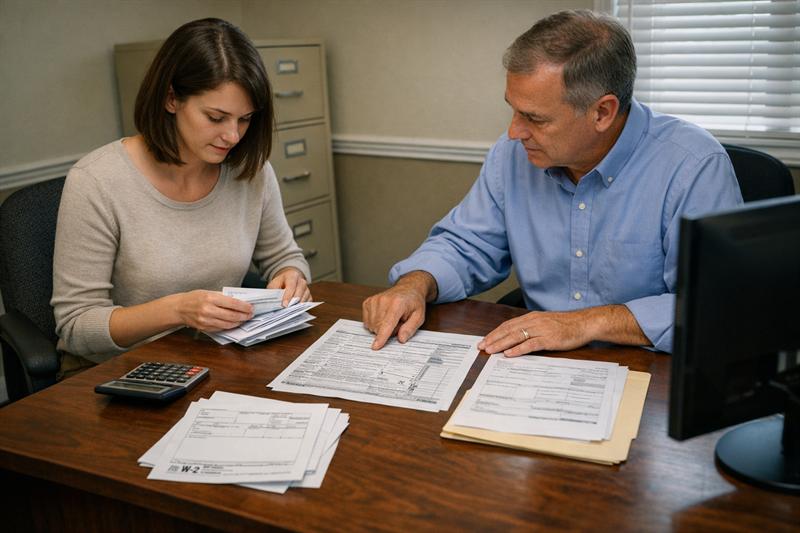
Quick Answer: Filing taxes for the first time can feel confusing because you are dealing with unfamiliar forms, deadlines, and decisions all at once. The process becomes much easier to manage when you follow a clear step-by-step approach: gather your documents, choose how to file, complete your return, and submit it correctly.
For most first-time filers, the biggest challenge is not the tax return itself. It is knowing where to begin and what to do next. Confusion often starts with missing documents or uncertainty about which forms matter, and that can lead to delays or mistakes.
At Speedy Tax Preparation & Bookkeeping Service, many first-time clients come in with that same concern. In many cases, what they need most is a clear, structured process.
Who Needs to File Taxes for the First Time?
You may need to file taxes if you earned income during the year, whether from a job, freelance work, or other sources. The exact requirement depends on your income, filing status, and other factors, but many first-time filers are unsure whether filing is required at all.
That uncertainty can create problems. Not filing when required may lead to penalties, and even when filing is not required, you could still be entitled to a refund if taxes were withheld from your pay.
- W-2 employees earning wages from an employer
- 1099 workers or freelancers with independent income
- Students or part-time workers with earned income
- Anyone who had taxes withheld and may qualify for a refund
If you are not sure whether you need to file, it is worth checking before the deadline passes.
What Happens When You File Taxes (Step-by-Step Overview)
Filing taxes usually follows the same general sequence. Once you understand the order, the process feels much more manageable.
Step 1: Gather Your Income Documents
This includes W-2s from employers and 1099 forms for freelance or contract work. One of the most common issues for first-time filers is leaving out a form, especially for side income. That can result in an incomplete return and may require a correction later.
Step 2: Choose How You Want to File
You can file using tax software or work with a tax preparer. Simple returns are often manageable with software, but the process gets harder when there is more than one income source or uncertainty about deductions and credits.
If you are weighing your options, reviewing tax help that makes filing simpler and less stressful can help you decide which approach fits your situation.
Step 3: Complete Your Tax Forms
This step involves entering your income, selecting a filing status, and applying deductions or credits. Mistakes here can affect how much you owe or how much you get back, so accuracy matters.
Step 4: Submit Your Return
Most people file electronically because it is typically faster and reduces the chance of input errors. Paper filing usually takes longer to process.
Step 5: Receive Your Refund or Pay What You Owe
After submission, the return is processed. If you are due a refund, it is issued after the return is accepted and processed. If you owe taxes, payment is generally due by the filing deadline. Missing information or errors earlier in the process often become more noticeable at this stage.
Documents You Need Before You Start
Preparation has a big impact on how smoothly the process goes. Missing documents is one of the most common reasons first-time filers run into delays.
- Social Security number or other required identification information
- W-2 or 1099 income forms
- Records of any additional income
- Bank account details for direct deposit
Starting a return before everything is collected can lead to omissions or the need to amend later. A more detailed breakdown is available in what records you should keep for taxes, which can help you prepare more thoroughly.
Key Tax Terms Every Beginner Should Understand
Understanding a few core terms can remove a lot of the confusion first-time filers experience.
Filing status: A category that affects how your taxes are calculated. Choosing the wrong status can change your tax result.
Standard deduction: A set amount that reduces taxable income. Many first-time filers use this instead of itemizing deductions.
Tax credits vs deductions: Deductions reduce taxable income, while credits reduce the amount of tax you owe. Knowing the difference can help you avoid overlooking potential tax benefits.
Taxable income: The portion of your income that remains after allowable deductions and is subject to tax.
Refund vs liability: A refund means you may have overpaid during the year. A tax liability means you still owe tax.
Common Mistakes First-Time Filers Make
These are some of the most common issues first-time filers run into:
- Leaving out income from side jobs or freelance work
- Choosing the wrong filing status
- Entering incorrect numbers
- Missing deductions or credits
- Filing late or waiting until the last minute
Even small mistakes can lead to delayed refunds, IRS notices, or the need to amend a return. If a return has already been filed incorrectly, situations like those explained in fixing tax return errors can help you understand the next steps.
Should You File Taxes Yourself or Get Help?
Many first-time filers start with the idea of handling everything themselves. That can work for a very simple return, but it gets more difficult when there are multiple income sources, side work, or questions about what to enter.
For straightforward situations, software may be enough. When the return is less clear, getting help can save time and reduce avoidable errors.
If you have more than one income source or you are unsure about key entries, it may make sense to get help before filing rather than correcting problems afterward.
How Professional Tax Preparation Can Simplify the Process
Working with a tax professional can provide structure and clarity. Instead of trying to interpret every rule on your own, you have guidance through each step of the filing process.
That support can be especially helpful for first-time filers, who are often navigating tax forms and filing decisions for the first time.
With services like Individual Tax Preparation, the goal is not just to complete a return. It is to make the process easier to understand and easier to repeat in future years.
If You’re Seeing These Issues, It’s Time to Take Action
If any of the following apply, your return may need more attention than a basic do-it-yourself filing:
- You are missing documents or unsure what income needs to be reported
- You have multiple income sources or side work
- You are unsure which deductions or credits may apply
- You have delayed starting because the process feels unclear
These are often the points where mistakes begin. Taking action early can help you avoid delays, corrections, and missed opportunities to file accurately.
Conclusion
Filing taxes for the first time usually feels difficult when there is no clear process to follow. That lack of structure can lead to missing documents, incorrect entries, and unnecessary delays.
The best way to make filing easier is to approach it step by step from the start. Speedy Tax Preparation & Bookkeeping Service works with first-time filers to walk through the process clearly and help reduce common mistakes.
If you are unsure where to begin or want extra support before filing, working with a local tax professional can be a practical next step. It can help you file with more confidence this year and make future filings easier to manage.
Key Takeaways
- Filing taxes follows a structured, step-by-step process
- Many issues begin with missing documents or confusion about forms
- First-time filers can avoid common mistakes by preparing early
- DIY filing can work for simple returns but gets harder as complexity increases
- Getting help early can reduce the chances of delays and corrections
Frequently Asked Questions
Do I need to file taxes if I just started working?
You may need to file if your income reaches the filing threshold for your situation or if taxes were withheld from your paycheck. Many first-time workers may also qualify for a refund, which can be missed if no return is filed.
What documents do I need to file taxes for the first time?
You typically need income forms such as a W-2 or 1099, identification information, and bank details if you want direct deposit. Having everything ready before you start can make the process much smoother.
Can I file taxes without a W-2?
Yes. If your income came from freelance, contract, or other non-employee work, you may use 1099 forms or other income records. The key is making sure all reportable income is included.
How long does it take to get a tax refund?
Refund timing depends in part on how the return is filed and whether there are any processing issues. Electronic filing is generally faster than paper filing, and missing information can cause delays.
Should I use tax software or a tax preparer?
Tax software can work well for simple returns. If you have multiple income sources, side work, or questions about what applies to you, a tax preparer may be the better fit.
What happens if I make a mistake on my taxes?
Some mistakes may need to be corrected by amending the return. Depending on the issue, that can add time and may affect when a refund is issued or whether additional follow-up is needed.