Quick Answer: Most tax filing problems start with missing or incomplete paperwork. A solid tax preparation checklist includes personal details, income forms such as W-2s and 1099s, and records that support deductions, credits, and any business activity.
Many people sit down to file and realize they are not sure whether everything is accounted for. That is where delays usually begin. A missing form or overlooked income source can lead to corrections, longer processing times, or changes to the final return.
This guide walks through what to gather and how to organize it so the process stays accurate and more predictable.
Why Having the Right Tax Documents Matters
Missing documents is one of the main reasons a tax return gets delayed or has to be updated. When income is not fully reported or deductions are not backed up by records, the return may need to be corrected after filing. That adds time and makes the process harder than it needs to be.
One common issue is filing too quickly without waiting for all forms to arrive. Another is working from scattered records, where smaller items such as interest income or side earnings are easy to miss.
This is where filing issues often start, especially for anyone with multiple income sources. Getting everything together first helps reduce the chances of problems like those explained in what happens when a tax return gets flagged for review.
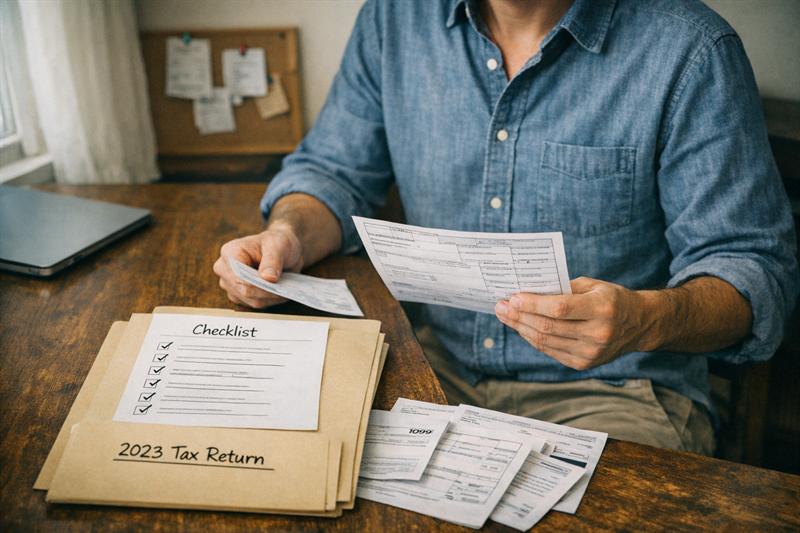
Complete Tax Preparation Checklist
This checklist covers the documents most individuals and small business owners may need. Not every item applies to every situation, but skipping categories without checking them is where gaps often happen.
Working through each section helps keep the process complete and organized.
Personal Information Documents
- Social Security numbers or ITINs for all filers and dependents
- Birthdates for dependents
- Bank account and routing numbers for direct deposit
- Prior-year tax return
These details support identity verification and consistency across filings. Errors or missing information here can slow the process right away.
Income Documents
- W-2 forms from employers
- 1099 forms for freelance, contract, investment, or other non-wage income
- 1099-NEC for self-employment income
- Unemployment income statements
- Rental income records
- Income from side work or digital platforms
This is where mistakes often happen. Smaller 1099s or side income can be easy to overlook. When that happens, income may be underreported and the return may need to be corrected later.
If income comes from more than one source, each form or record should be included before filing. This is not an area where guesswork helps.
Deduction and Credit Documents
- Mortgage interest statement (Form 1098)
- Student loan interest statement (Form 1098-E)
- Charitable donation receipts
- Childcare expense records
- Education-related expenses and tuition statements
Deductions and credits rely on documentation. A common mistake is estimating expenses instead of using records. That approach can lead to missed tax breaks or unsupported entries if questions come up later.
Health Insurance and Coverage Forms
- Form 1095-A for Marketplace insurance
- Form 1095-B or 1095-C for coverage records, when applicable
These forms may affect how the return is completed. If information is missing, filing may need to wait until coverage details are confirmed.
Investment and Retirement Income
- 1099-DIV for dividends
- 1099-B for investment transactions
- 1099-R for retirement distributions
- Capital gain and loss records
Investment income often arrives separately from other tax forms, which makes it easier to miss. When it is left out, the return is incomplete and may need to be updated.
Self-Employment and Business Records
- Income records such as invoices and 1099-NEC forms
- Expense receipts for supplies, mileage, and operations
- Bookkeeping records
- Payroll records, if applicable
This is where organization makes a major difference. When records are not tracked consistently, expenses get missed and income is harder to verify.
Trying to sort everything at the last minute often leads to incomplete records and unreliable numbers. Issues like this are covered in why DIY bookkeeping leads to business problems.
Commonly Forgotten Tax Documents
- Interest income from savings accounts
- Gig or side income that was not tracked consistently
- State tax refunds from the prior year
- Health savings account (HSA) forms
- Marketplace insurance documentation
These items are easy to overlook because they can seem minor or arrive separately from other documents. Many filing delays start with items like these being missed the first time around.
When they are left out, the return may need to be updated, which adds extra steps and slows the process.
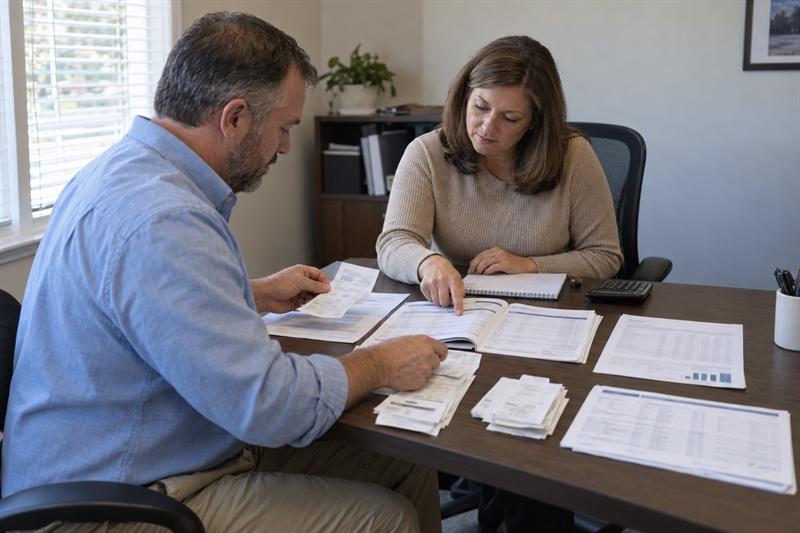
What to Bring to Your Tax Appointment
- All documents listed in the checklist that apply to your situation
- A valid photo ID
- Your prior-year tax return
- Notes about life changes such as marriage, a home purchase, or a new child
Showing up without complete documentation often means delays or a follow-up appointment. This is one of the easiest ways the process gets slowed down.
For a clearer picture of how preparation affects the process, review this first-time tax filing guide.
How to Organize Your Tax Documents for Faster Filing
- Group documents by category, such as income, deductions, and personal information
- Use labeled folders, either physical or digital
- Keep records updated throughout the year instead of waiting until filing time
- Separate personal and business finances clearly
Organization plays a big role in how smoothly filing goes. When everything is grouped and easy to access, preparation usually moves faster and with fewer mistakes.
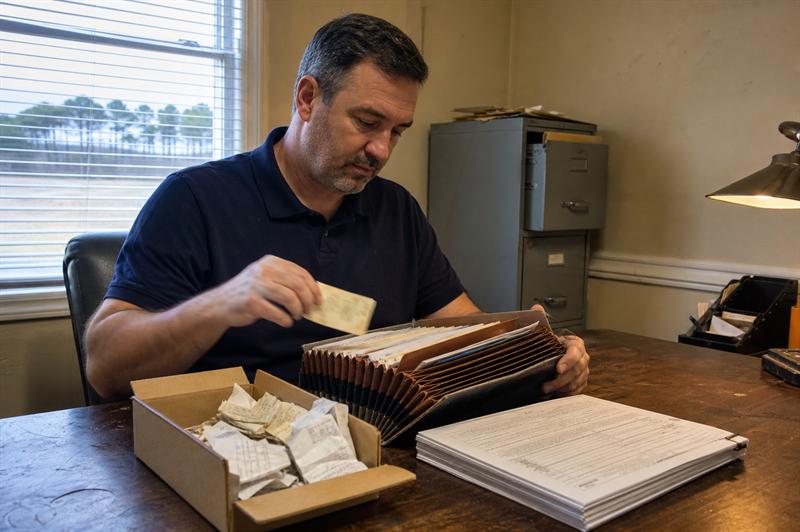
When records are not organized, details are easier to miss and timelines tend to stretch. This becomes more noticeable as income sources and expenses increase.
When to Get Help with Tax Preparation
Some returns are simple. Others get more involved quickly.
- Multiple income sources or several 1099 forms
- Self-employment or business ownership
- Major life changes that affect your tax situation
- Uncertainty about deductions or whether records are complete
If any of these apply, handling everything alone can increase the chance of missed details. This is often the point where professional help becomes the more practical option.
If You’re Missing Documents or Unsure What Applies, Pause Before Filing
If any of these situations sound familiar, it makes sense to stop and review everything before submitting a return:
- You are still waiting on forms but plan to file anyway
- You have multiple income sources and are not sure whether everything is included
- Your records are incomplete or not organized
- You are estimating deductions instead of using documentation
These situations often lead to corrections, delays, or changes to the final return. Taking care of them first usually saves time and hassle later.
Key Takeaways
- Incomplete documents are a common cause of filing delays and corrections
- A structured checklist helps reduce the chance of missing something important
- Organization improves both accuracy and efficiency
- More complex situations usually benefit from a more organized approach
Conclusion
The goal is not just to file taxes. It is to file with complete and accurate information. Missing documents, overlooked income, and disorganized records are where many filing problems begin.
When those issues are not handled upfront, they can lead to delays, corrections, and added stress. That becomes harder to manage when multiple income sources or business records are involved.
Speedy Tax Preparation & Bookkeeping Service works with individuals and small business owners to get documents organized before filing begins. That can include identifying missing paperwork, reviewing income sources, and helping make sure records are complete and consistent.
If you are unsure what is needed or what might be missing, the best next step is to sort that out before filing. That helps keep the process more accurate, efficient, and manageable.
Frequently Asked Questions
What documents are required for tax preparation?
The documents you need usually include personal identification details, income forms such as W-2s and 1099s, and records that support deductions and credits. Depending on your situation, that may include Social Security numbers, a prior-year return, mortgage statements, tuition forms, or childcare records. A checklist helps make sure nothing important gets missed.
What income forms do I need to file taxes?
Most people need W-2 forms for employment income and 1099 forms for other types of income. This may include 1099-NEC for freelance work, 1099-INT for interest, 1099-DIV for dividends, and 1099-R for retirement income. Gathering all income documents before filing helps reduce the chance of incomplete reporting.
Do I need last year’s tax return to file this year?
It is not always required, but it is helpful. A prior-year return can help confirm personal information, carry forward certain details, and make the current filing process easier to review.
What documents do self-employed individuals need for taxes?
Self-employed filers usually need income records, expense receipts, and bookkeeping documentation. This can include invoices, 1099 forms, mileage logs, and categorized business expenses. Organized records make tax preparation more accurate and easier to complete.
What happens if I forget a tax document?
If a document is left out, the return may be incomplete and may need to be corrected later. That can add time and create extra follow-up. Reviewing your paperwork carefully before filing helps prevent that.
Can I file taxes without all my documents?
It is possible in some cases, but filing before everything is in hand often creates avoidable problems. Missing information can lead to inaccuracies, updates, or delays. Waiting until your records are complete usually leads to a smoother filing process.