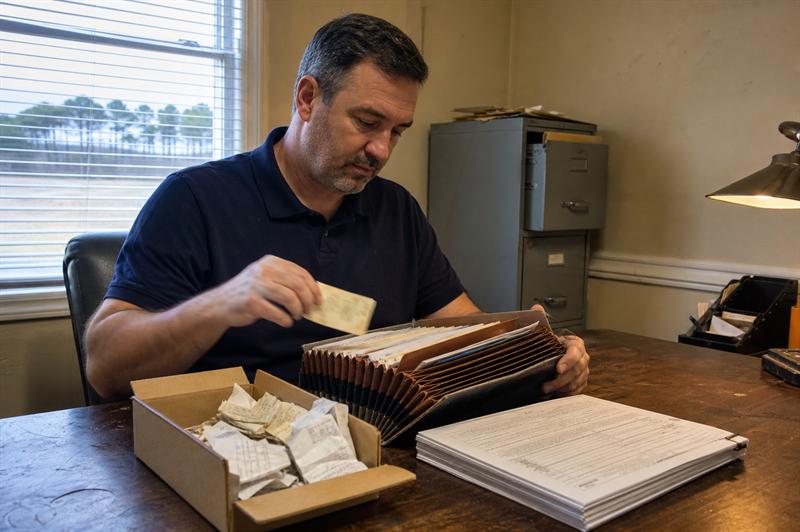

You do not need perfectly organized books before contacting a bookkeeper. Start by identifying what records you have, where they are kept, and which periods need attention. That gives the first conversation a useful starting point without requiring you to solve every bookkeeping problem yourself.
This small business bookkeeping onboarding checklist explains what to provide a new bookkeeper and what happens next. For owners considering Speedy Tax Preparation & Bookkeeping Service, it also separates three related needs: preparing existing records, establishing ongoing bookkeeping, and arranging payroll or business tax preparation when needed.
Key Takeaways
- Prepare business basics for the first conversation, then gather financial records for the agreed period.
- The amount of history needed depends on starting balances, completed account reconciliations, and cleanup requirements.
- Disclose missing statements and unresolved transactions early because they affect the work required.
- Use approved document-sharing methods and separate user access instead of sharing banking passwords.
- Agree on responsibilities, reports, and whether historical cleanup, payroll, or tax preparation is included.
Your Small Business Bookkeeping Onboarding Checklist
A practical onboarding checklist covers business information, account statements, income and expense records, existing reports, and supporting documents for activities such as payroll or borrowing. Organize records by account and period, but establish the requested date range before gathering years of paperwork.
Business Details for the First Conversation
Start with information that explains how the business operates and what help is needed.
- Business identity: Legal business name, business activity, entity type, and key owners.
- Primary contact: The person who will supply records and answer transaction questions.
- Current recordkeeping: Accounting software, spreadsheets, paper files, or a combination.
- Money movement: How customers pay, which accounts receive funds, and how expenses are paid.
- Starting point: Desired start date, known backlogs, and any previous bookkeeping support.
Legal business structure and tax treatment are not always the same. For example, identifying a business as an LLC does not by itself determine how it files taxes. Provide available tax information when requested, and send sensitive identifying details only through an appropriate, secure channel.
Financial Records Needed to Begin Work
Provide records that explain both transactions and account balances for the agreed period.
- Bank and credit card statements: Statements for each business account, including accounts closed during the period.
- Sales records: Customer invoices, sales summaries, and payment processor reports.
- Expense records: Receipts, vendor bills, and supporting documents that explain purchases.
- Existing bookkeeping reports: Available balance sheets, profit and loss statements, detailed transaction records, and reconciliation reports.
- Software information: The system currently used and who controls access.
A bank feed is not a completed reconciliation. Reconciliation means checking the accounting records against account statements and explaining differences. Imported transactions still need review for missing or duplicate entries, and a balance difference needs explanation before it becomes the new starting point.
A related pitfall is treating a payment processor’s net deposit as total sales. Fees, refunds, and other adjustments can explain the difference. The processor report provides detail that the bank deposit alone does not show.
Additional Documents to Provide If Applicable
Include supporting records for activities your business actually has. Not every business needs every item below.
- Loan statements and financing documents.
- Lists of unpaid customer invoices and unpaid vendor bills.
- Payroll reports and relevant sales tax records.
- Inventory information and records of equipment or other long-term business assets.
- Details of owner contributions and withdrawals.
- Prior tax returns when requested for context.
Loan statements matter because a payment can include both principal and interest. Recording a principal repayment as an expense misstates the transaction. Onboarding requests also differ from long-term retention requirements; the records-retention checklist covers the broader recordkeeping question.
How Much History Should You Give a New Bookkeeper?
Give a new bookkeeper enough history to establish reliable starting balances and complete the agreed work. The required period depends on when the books were last reconciled, whether earlier records need correction, and whether the engagement covers current bookkeeping, historical cleanup, or both. There is no universal number of months.
Starting Bookkeeping for the First Time
Identify when business activity began and where the records are stored. Spreadsheets, paper receipts, and bank statements are useful starting materials, even without accounting software. The initial review should establish which period needs to be recorded and what supporting information is missing.
Switching From Another Bookkeeper
A provider change needs a defined handoff, not simply a new login. Gather:
- The last completed reconciliation and available financial reports.
- Detailed transaction records and lists of unresolved items.
- Outstanding customer invoices and vendor bills.
- An agreed cutoff date and responsibility for work around that date.
Handoff problems develop when each provider assumes the other is handling the same period. A clear cutoff helps prevent duplicate entries and gaps in coverage. Having access to the records is important, but it does not establish that every period is complete.
Starting With Missing or Unreconciled Records
List missing periods and unresolved accounts rather than trying to make the books appear complete. If several months have passed without reconciliation, establishing the current position generally requires reviewing earlier activity. Leaving those differences unresolved carries uncertainty into later reports and can expand the cleanup backlog.
Address starting-point gaps before the next month’s transactions build on them. Bring any of these signs to an onboarding discussion with Speedy Tax Preparation & Bookkeeping Service:
- Software balances do not match account statements, and the differences are unexplained.
- No one can identify the last reconciled month.
- A previous provider still controls necessary records or access.
- Several periods contain transactions nobody has explained.
These signs call for a records and scope review, not just entry of new transactions. Historical cleanup or a structured handoff is likely needed to establish a reliable starting point.
How to Share Documents and Account Access Safely
Use the provider’s approved document-transfer method and separate user access where the account or software supports it. Supply the information needed for bookkeeping without granting unrelated permissions.
- Establish the transfer method: Ask how statements, tax information, and payroll documents should be delivered securely.
- Use individual invitations: Add an authorized user rather than sharing your own login.
- Limit permissions: Give access appropriate to the agreed work. Access to view records should not automatically include authority to move money.
- Protect sign-ins: Enable multifactor authentication and do not send banking passwords or security codes.
- Finish the handoff: Coordinate removal of outgoing-provider access once necessary records and responsibilities have transferred.
Shared credentials make it harder to identify who accessed an account or remove one person’s access cleanly. Follow the platform’s official instructions for the permissions being granted, and retain control of the business’s own accounts.
What to Expect During Bookkeeping Onboarding
Bookkeeping onboarding generally includes agreeing on scope, reviewing records, and establishing starting balances and reporting expectations. Collecting documents supports that process, but it does not replace decisions about who is responsible for the work.
Agree on Scope, Start Date, and Responsibilities
Define the work before assuming that every financial task is included. The agreement should address:
- The period covered and the start date for ongoing work.
- Whether historical cleanup is included or separately priced.
- Who submits records and answers transaction questions.
- Which decisions or corrections need owner approval.
- Whether payroll and business tax preparation are separate services.
Unassigned questions leave transactions waiting for an explanation. Naming a primary contact and setting expectations for responses helps prevent unresolved items from accumulating between reporting periods.
Review Existing Records and Identify Cleanup Needs
The records review helps identify missing statements, unmatched transactions, inconsistent balances, and purchases that need explanation. A transaction description alone does not always establish its business purpose.
For example, a card charge from a general retailer could include both business supplies and personal items. Categorizing the full charge as a business expense without supporting detail can overstate business expenses. The useful next step is to identify the business portion from the receipt or an owner’s explanation, not guess from the merchant’s name.
Establish Opening Balances and Reporting Expectations
Opening balances are the amounts carried into the period when the new bookkeeping work begins. Adding new transactions does not resolve an incorrect starting balance.
Agree on which reports will be delivered, how frequently records must be supplied, and who reviews outstanding questions. Once setup is complete, a monthly bookkeeping checklist for small businesses connects those expectations to a recurring routine.
Questions to Ask Before Bookkeeping Begins
Ask questions that define the work, the responsible person, and any limits.
- What is included in the quoted scope? Separate setup, recurring tasks, and additional services.
- Is historical cleanup separate? Identify the earlier periods included in the review.
- What affects cost and timing? Discuss record gaps, account complexity, and unresolved items.
- Who answers questions? Establish a contact for scope decisions and transaction clarification.
- What software access is needed? Clarify permissions and who retains account control.
- Which reports will be delivered? Define the reports and expected schedule.
- How are records transferred if service ends? Address access and available file exports before a future handoff.
Speedy Tax Preparation & Bookkeeping Service offers direct owner access and year-round support. That access is relevant when an unexplained transaction, payroll question, or change in business activity needs attention outside tax season. The business offers bookkeeping, payroll, and business tax preparation, while the agreed scope determines which services are included in your engagement.
Frequently Asked Questions About Starting Bookkeeping Services
You can begin the conversation before every record is ready. The questions below clarify what that means for software, service scope, timing, and earlier bookkeeping errors.
Can I Contact a Bookkeeper Before All My Documents Are Ready?
Yes. An initial conversation can establish what records are available and what is missing. Having current statements but several unreconciled months, for example, gives the bookkeeper useful information about possible cleanup needs. Being ready to discuss the engagement is different from having enough documentation for work to begin.
Do I Need Accounting Software Before Hiring a Bookkeeper?
Not necessarily. Existing spreadsheets, paper records, or accounting software can be part of the initial review. The important distinction is between having transaction records and having an agreed system for maintaining the books. Buying software before that review does not resolve missing documents or unexplained balances.
Does Bookkeeping Include Payroll and Business Tax Preparation?
Not automatically. These are distinct services, even when one business offers all three, as Speedy Tax Preparation & Bookkeeping Service does. A bookkeeper might use payroll reports without processing payroll. Similarly, maintaining financial records differs from what a tax preparation service includes. The engagement determines which tasks are covered.
How Long Does Bookkeeping Onboarding Take?
There is no single timeline for every business. Complete, reconciled records require a different review from a backlog with missing statements or unclear balances. Account complexity, access setup, and responses to transaction questions also affect progress. Record condition helps determine whether onboarding is a straightforward handoff or includes additional cleanup.
Will a New Bookkeeper Fix Errors in My Previous Books?
A new bookkeeper may correct earlier errors when historical review or cleanup is included in the scope. Starting current-month bookkeeping does not automatically include checking every prior period. Earlier unreconciled balances may require separate work. Onboarding is not an audit or validation of all previous records.
Conclusion: Prepare What You Have and Clarify the Next Step
Contact Speedy Tax Preparation & Bookkeeping Service to discuss a clear starting point for your bookkeeping. The problem is not simply scattered paperwork: unresolved balances, missing periods, and unclear responsibilities carry uncertainty into future reports. Recording new transactions without addressing those gaps leaves the underlying issues unresolved.
List your business accounts, gather the latest statements and available reports, and note any missing periods before the conversation. For small businesses in Elizabethtown, NC, direct owner access and year-round support can provide a practical way to address scope and open questions. Starting that discussion now helps identify whether you need a straightforward setup, a provider handoff, or historical cleanup before more work accumulates.