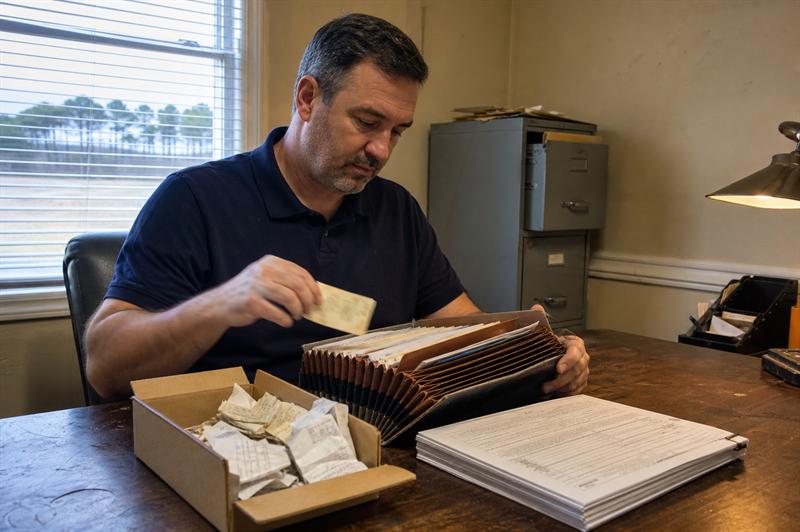

At Speedy Tax Preparation & Bookkeeping Service, this is one of the most common problems small business owners run into. They reach tax time with bank statements, receipts, payroll records, and software reports, but the information is not organized into books that are ready to use. That is often where the trouble starts.
Tax preparation is not separate from bookkeeping. It depends on it. If the bookkeeping is current, the tax return is usually easier to prepare and may involve fewer follow-up questions. If the bookkeeping is incomplete, the return often cannot be prepared cleanly until the records are sorted out.
Why bookkeeping matters before tax season starts
Bookkeeping is the foundation of an accurate tax return. It records income, organizes expenses, and shows what happened in the business during the year. Without that foundation, tax preparation becomes a process of rebuilding the numbers after the fact.
A common assumption is that year-end statements and receipts will be enough to pull everything together. In practice, that often leads to extra review, missing categories, and unclear transactions that need to be explained before the return can be completed.
Bookkeeping is the foundation of an accurate tax return
Your tax return is built from the financial activity in your business. If income is not recorded correctly, or expenses are not categorized properly, the return may reflect those same problems. That is why bookkeeping and tax preparation are directly connected, not separate tasks.
Organized books also help support deductions and business activity. A receipt by itself is not the same as a complete bookkeeping record. The transaction still needs to be entered, categorized, and matched to the right account so the year-end numbers make sense.
Tax preparation is easier when records are current, not reconstructed later
When records are current, tax preparation is more of a review process. When records are behind, tax preparation often becomes a reconstruction project first. That difference can affect timing, accuracy, and how many issues need to be resolved before filing.
Many small businesses run into the same pattern. Uncategorized transfers, duplicated software imports, and expenses with no clear business purpose usually become harder to sort out when they sit for months. By tax season, the details may be harder to verify and the cleanup may take longer.
What bookkeeping actually does for your tax return
Bookkeeping turns daily transactions into information a tax preparer can use. It helps track income, organize deductible expenses, separate personal and business activity, and create reports that support the return. If you want a clearer picture of where bookkeeping fits compared to broader financial work, this guide on bookkeeping vs. accounting for small business owners helps explain the difference.
Tracks income clearly
Bookkeeping shows what the business earned during the year and helps identify deposits that are missing, duplicated, or misclassified. This matters because tax reporting starts with accurate income totals. If the deposits in the books do not line up with actual bank activity, the numbers may not be ready for filing.
Reconciling deposits is one of the clearest controls in the process. It helps confirm that the income recorded in the books matches what came into the business.
Organizes deductible expenses
Expenses need to be recorded in a way that makes them reviewable at tax time. Bookkeeping does that by placing transactions into clear categories instead of leaving them as a long list of uncoded charges. That often makes it easier to spot routine business expenses and can reduce the chance that something important gets overlooked.
Good categorization still does not replace documentation. The books show where the expense belongs, while the records behind it help support why it belongs there. For a more complete breakdown, this checklist of tax records to keep is a helpful companion resource.
Helps separate business and personal transactions
Mixed spending is one of the most common bookkeeping problems in small businesses. Personal charges run through business accounts, business expenses get paid from personal cards, and owner draws are not clearly tracked. This often creates confusion at tax time because the books no longer show clean business activity.
If you are seeing frequent mixed transactions, it usually means the books need more than a quick review. Clean separation improves accuracy, reduces rework, and can make the year-end numbers easier to support if questions come up later.
Supports payroll and contractor reporting
Payroll records affect business tax reporting, so they need to stay organized throughout the year. Wages, payroll taxes, and contractor payments all need to be reflected clearly in the books. When they are not, the tax return often requires more verification and correction work.
This can get more difficult when payroll is handled separately from bookkeeping with no regular review. Totals may stop matching, classifications can become harder to confirm, and year-end reporting may become more difficult than it needs to be.
Creates financial reports your tax preparer can use
The bookkeeping process should produce reports that support tax preparation, not just a pile of transactions. That usually includes:
- Profit and loss statement
- Balance sheet when needed
- General ledger or categorized expense detail
- Reconciled bank and credit card activity
- Payroll summaries where applicable
These reports matter because they give the tax preparer usable totals and a clearer picture of how the business operated. If you want a fuller view of what happens once records move into the filing process, this explanation of what a tax preparation service includes helps connect the next step.
How poor bookkeeping can slow down or complicate tax filing
Poor bookkeeping slows down tax filing because the numbers have to be reviewed before they can be used. That often means more backtracking, more document requests, and more time spent fixing records that should have been maintained earlier.
This is where many small business returns get delayed. The issue is not always the form itself. The real problem is that the books behind the form are incomplete, inconsistent, or unsupported.
Missing transactions and uncategorized expenses
Missing transactions distort year-end totals. Uncategorized expenses create extra review work because no one can tell what the charge was for without going back through statements and receipts. That slows the process and can make it harder to identify clean deduction totals.
A common example is a business card account full of charges labeled only by merchant name. That does not show whether the charge was for supplies, meals, software, travel, or something personal. The longer that stays unresolved, the harder it can be to clean up accurately.
Bank accounts that are not reconciled
Reconciliation means making sure the books match the actual bank and credit card statements. If they do not match, the totals in the books may not be reliable enough to move straight into tax preparation. This often results in cleanup work before the return can be prepared properly.
This is one of the clearest signs of whether books are really tax-ready. Organized transactions may look helpful on the surface, but unreconciled books still leave open questions about what is missing, duplicated, or incorrectly posted.
Incomplete records for major purchases, mileage, or payroll
Some transactions need more than an amount and a category. Major purchases, mileage, payroll details, and unusual transfers need supporting records that explain what happened. When that support is missing, review can take longer and follow-up is more likely.
This does not just affect filing speed. It also affects confidence in the numbers. If the books show a major expense but the business cannot clearly explain it, that often means more reconstruction is needed before the return is ready.
More questions, more cleanup, and possible missed details
When the books are disorganized, tax preparation shifts into cleanup mode. Time gets spent verifying totals, sorting mixed transactions, and chasing missing details instead of reviewing the return efficiently. This often results in a slower process and a less reliable view of the business’s year-end picture.
It can also make it harder to identify complete deduction categories because the records are not clean enough to review with confidence. Problems rarely stay small when they continue building across the year.
If your books are behind, waiting usually makes the cleanup bigger, not smaller.
- Bank and credit card accounts do not match the books
- Business and personal spending are mixed together
- Payroll or contractor records are hard to tie back to totals
- Year-end reports exist, but the numbers still need explanation
Those signs usually mean the records need attention before tax preparation can move smoothly.
Monthly bookkeeping vs. last-minute cleanup
Monthly bookkeeping is usually the more practical option because it catches problems while the details are still fresh. Last-minute cleanup is possible, but it is often more time-consuming and less efficient because the business is trying to rebuild months of activity at once.
This is something Speedy Tax Preparation & Bookkeeping Service handles regularly. The issue is rarely one big mistake. It is usually a series of smaller bookkeeping problems that were ignored until they turned into a larger tax-season issue.
What monthly bookkeeping helps prevent
Monthly bookkeeping helps prevent:
- Accumulated errors that carry through the year
- Forgotten transactions that are harder to identify later
- Unclear expense categories that need year-end cleanup
- Unreconciled balances that make reports less reliable
When the books are reviewed monthly, duplicate expenses, missing deposits, and unexplained transfers tend to get caught earlier. That often leads to cleaner year-end totals and less confusion during tax preparation. For businesses trying to stay consistent, this monthly bookkeeping checklist for small businesses is a useful reference.
When catch-up bookkeeping may be necessary
Catch-up bookkeeping is usually needed when monthly entries have fallen behind, the books do not match statements, or major transactions were never recorded clearly. It also becomes more likely when payroll adds complexity or the business has grown faster than the recordkeeping process.
If the books look complete but do not tie back to actual account activity, catch-up work is usually needed before tax preparation can move forward with confidence. At that point, cleanup becomes a necessary step, not an optional one.
What tax preparers usually need from your bookkeeping
Tax preparers usually need clean year-end reports and the records that support them. The goal is not simply to hand over numbers. The goal is to provide numbers that make sense, match the business activity, and hold up under review.
For some businesses, that also means reviewing entity-specific details, owner draws, payroll, or state filing requirements. Businesses in North Carolina with more complex returns can also benefit from understanding corporate tax filing tips for small businesses in NC as part of the bigger picture.
Core reports and supporting documents
The most useful bookkeeping package for tax preparation usually includes:
- Profit and loss statement
- Balance sheet when relevant
- Bank and credit card reconciliations
- Payroll summaries
- Receipts or support for major or unusual transactions
What matters most is whether those reports are based on finalized books instead of rough year-end estimates. The report itself is only useful if the numbers behind it are accurate.
Why accurate year-end totals matter
Accurate year-end totals drive the entire return. If income is off, expenses are incomplete, or payroll numbers do not align, those errors can carry into the filing process and lead to more review. That is why bookkeeping quality affects tax preparation quality so directly.
Estimates may be part of an early review, but finalized books are what support a cleaner return. If the totals still need to be corrected, the tax return is not truly ready yet.
How bookkeeping supports follow-up after the return is filed
Bookkeeping still matters after the return is filed because filing is not always the end of the process. The business may need to review estimated taxes, respond to notices, locate documentation, or prepare for the next cycle. Clean books can make each of those steps easier.
This is one area many articles skip, but it matters in practice. A tax return is one moment in the year. The records behind it continue to matter long after the forms are submitted.
Estimated taxes, notices, and documentation requests
Current books make it easier to respond when questions come up later. If estimated tax amounts need to be reviewed, or a document needs to be located, organized bookkeeping gives the business a stronger starting point.
When the records are scattered, every follow-up issue can take longer to handle. If you want a clearer sense of what happens after filing, this step-by-step timeline of what happens after you file your taxes adds useful context.
Planning for the next filing cycle
Year-round bookkeeping can reduce repeat tax-season stress because recurring issues get corrected before they build up again. That often leads to better records, fewer surprises, and a smoother return the next time around.
This is also where year-round support can make a real difference. Problems are usually easier to fix while they are current than after they have been sitting in the books for months.
When it makes sense to combine bookkeeping and business tax preparation
It makes sense to combine bookkeeping and business tax preparation when the records are inconsistent, the business has regular transaction volume, or payroll and owner activity add more complexity. In those cases, separating the work often creates handoff issues and more room for confusion.
At Speedy Tax Preparation & Bookkeeping Service, the benefit of integrated support is straightforward. The books and the return are connected from the start, which can reduce duplicate explanations and help move from monthly records to year-end filing with fewer gaps.
Signs your business needs ongoing support
Ongoing support is usually needed when:
- The books are frequently behind
- Accounts are not reconciled regularly
- Payroll or contractor payments add ongoing complexity
- Tax questions continue after filing season ends
If you are seeing those patterns, the issue is usually not just one busy month. It often means the business needs a more consistent bookkeeping and tax process.
How integrated support reduces handoff issues
Integrated support can reduce the back-and-forth that happens when bookkeeping and tax preparation are handled as unrelated tasks. Transactions do not need to be re-explained from scratch, year-end totals are easier to trace, and the filing process often starts from cleaner records.
That matters most for small business owners who want year-round clarity instead of seasonal scrambling. It is not about adding extra steps. It is about reducing preventable ones.
Key Takeaways
- Bookkeeping creates the financial records your tax return depends on.
- When books are current and reconciled, tax preparation is usually easier and may involve fewer questions.
- Disorganized books often lead to cleanup work, less reliable totals, and a harder review process.
- Monthly bookkeeping is usually more effective than waiting until year-end to sort everything out.
- Bookkeeping also supports what happens after filing, including documentation requests and next-year planning.
Conclusion
The real problem is not just filing taxes. The real problem is trying to file a business tax return from books that are incomplete, unreconciled, or unclear. When that is not handled early enough, small issues can turn into delays, more follow-up, and year-end numbers that take extra time to sort out.
If your records are behind, mixed together, or still need cleanup before filing, this is the time to fix the process instead of repeating the same tax-season pressure. Speedy Tax Preparation & Bookkeeping Service is a practical next step for small businesses that need bookkeeping and tax preparation to work together, not against each other.
Company Approach
Speedy Tax Preparation & Bookkeeping Service helps individuals, families, and small businesses in Elizabethtown, NC with year-round support that goes beyond filing season. For business owners, that includes bookkeeping, business tax preparation, payroll support, and practical help keeping records in shape before problems build up.
When bookkeeping and tax preparation are handled together, the process is often clearer from month to month and more manageable at year-end. That is especially useful for businesses that are tired of piecing records together at the last minute or dealing with the same cleanup issues every filing season.
FAQ
Can a tax preparer file a return if my bookkeeping is behind?
Yes, but when bookkeeping is behind, tax preparation usually turns into cleanup first. A preparer needs usable numbers, not just raw statements, receipts, or downloaded transactions.
For example, if the books are missing categories, do not match the bank account, or mix personal and business spending, the return often cannot move as cleanly into filing. Being behind does not always stop the return, but it usually creates more correction work before the numbers are reliable enough to use.
What bookkeeping reports are usually needed for a small business tax return?
The most common reports are a profit and loss statement, reconciled bank and credit card activity, and supporting detail for income and expenses. Depending on the business, a balance sheet, payroll summaries, and records for major purchases or owner activity may also be needed.
What matters most is not just having reports, but having reports built from books that actually match the business activity. A year-end report with unreconciled numbers can create many of the same problems as having no report at all.
Why do reconciled bank and credit card accounts matter at tax time?
They matter because reconciliation helps confirm that the books match the actual statements. If they do not match, the totals may not be reliable enough to support a clean tax return.
A simple example is a deposit recorded twice or a credit card charge imported incorrectly. Without reconciliation, those errors stay buried in the books and carry into year-end totals. Reconciliation is what turns a list of transactions into records that are actually dependable.
Does bookkeeping help reduce tax return errors?
Yes. Good bookkeeping improves the quality of the information used to prepare the return, and better inputs often lead to fewer filing problems.
That does not mean every issue disappears, especially if documentation is missing or transactions were handled inconsistently. What bookkeeping changes is the starting point. It helps catch problems earlier, before they flow into the return itself.
Is monthly bookkeeping better than organizing records at the end of the year?
In most cases, yes. Monthly bookkeeping catches missing transactions, unclear charges, and account differences while the details are still easier to confirm.
End-of-year organization usually means trying to remember what happened months ago. That is where cleanup gets slower and problems start to multiply. Monthly review is usually the more practical choice because it prevents small recordkeeping issues from stacking up all year.
When should a small business use both bookkeeping and business tax preparation services?
It usually makes sense when the business has regular transaction volume, payroll activity, inconsistent records, or repeated tax-season cleanup. In those situations, bookkeeping and tax preparation are too connected to treat as separate issues.
For example, if the books are behind and the return also depends on payroll totals, owner draws, or entity-specific reporting, handling both together can reduce confusion and duplicated work. What changes the decision is not just business size. It is how much ongoing recordkeeping strain the business is dealing with throughout the year.