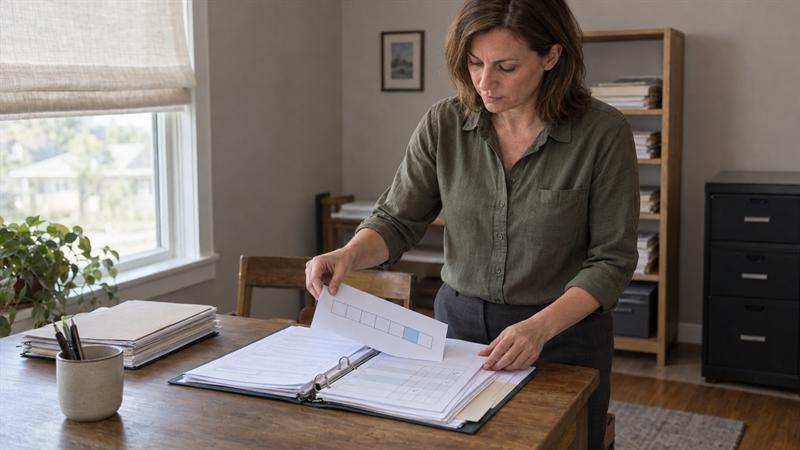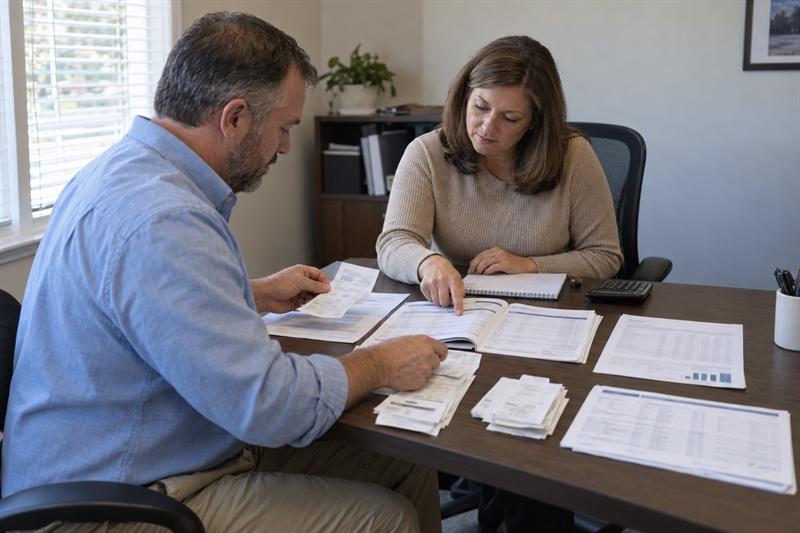
If you are getting ready for a notary appointment, the goal is simple: avoid a second trip. At Speedy Tax Preparation & Bookkeeping Service, this is where many appointments get delayed. A document looks ready, but a signer is missing, the ID does not match clearly, or the form still has blanks that can hold up the appointment.
This checklist explains what to bring, what to review before you leave, and what commonly causes delays in North Carolina notary appointments.
A Quick Notary Appointment Checklist for North Carolina
Bring these items to your appointment:
- A valid government-issued photo ID
- The full document, including all pages and attachments
- A document that has been reviewed for blank spaces
- Every required signer in person
- Any required witnesses for that specific document
- A document that has not been signed too early if the signature needs to be handled during the appointment
A common issue is preparing the paperwork but not the appointment itself. If the right person is not there, the ID is not usable, or the document is incomplete, the notarization may not be completed at that time.
If you want to understand the service side of the process, this guide on how much a notary costs in North Carolina can help set expectations.
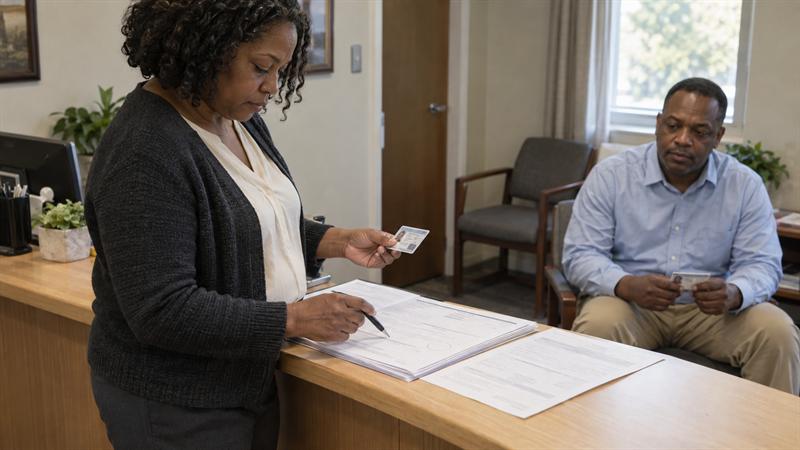
Bring a Valid Photo ID
Your ID should be current, recognizable, and clearly connected to the person signing. This is one of the most common reasons an appointment slows down. People arrive with the document ready, but identification becomes the issue.
This problem is more likely when the name on the document does not match the ID closely enough, or when the ID is expired or difficult to read. A notary must verify identity, so the ID is one of the main parts of the appointment.
Bring the Complete Document, but Do Not Sign Too Early
Bring the full document, not just the signature page. That includes attachments, exhibits, instructions, and any pages that belong with it. If pages are missing, the document is not fully prepared and the appointment may be delayed.
Timing matters too. A document can be filled out correctly and still be signed too early. Completing the form before the appointment is helpful. Signing at the wrong time is where problems often begin.
Make Sure All Required Signers Are Present
If a document requires a specific person to sign, that person generally needs to be there in person. Bringing someone else’s paperwork without the signer is one of the fastest ways an appointment can be stalled.
This comes up regularly with family documents and business forms. Someone assumes bringing the document is enough, but the actual signer is what matters. Without the signer, the notarization often cannot be completed.
Ask in Advance if Witnesses Are Required
Witness requirements depend on the document, not on every notary appointment. That matters because some people assume witnesses are always part of the process, while others assume they are never needed. Either mistake can create a delay.
If a document calls for witnesses and they are missing, the appointment may not be finished as planned. This is especially important for forms involving legal authority, family matters, or formal agreements.
Why Notary Appointments Get Delayed or Turned Away
Most notary delays come down to a short list of preventable issues:
- Missing or expired identification
- Blank spaces in the document
- Missing pages or attachments
- Required signers not present
- Witness confusion
- A document already signed when it should have been signed during the appointment
This is where a lot of frustration comes from. The paperwork feels finished, but one missing detail stops the appointment. In many cases, it is not a major problem. It is one overlooked step that blocks everything else.
If you are dealing with a business document, missing attachments and unsigned supporting pages are common issues. The same attention to complete records matters in other business services too, which is why organized documentation plays such a big role in small business tax return bookkeeping support.
If any of these sound familiar, the appointment may need more preparation before it can go smoothly:
- The document has blank lines, missing dates, or incomplete signature sections
- The signer named in the document is not the person planning to attend
- The ID is expired, damaged, or does not match the document name closely
- The form mentions witnesses, attachments, or exhibits that are not ready
When those signs show up, the issue is no longer just getting something notarized. It usually means the appointment is likely to stall until the document package and signer details are corrected.
What Counts as Acceptable Identification for a Notary Appointment
A government-issued photo ID is the clearest standard to bring. The most important details are that it is current, legible, and clearly matches the signer.
- Check that the ID is not expired
- Check that the photo clearly identifies the signer
- Check that the name on the document and ID align as closely as possible
- Check that the ID is in good enough condition to be reviewed easily
What commonly goes wrong is not the lack of an ID, but bringing one that does not work well for the situation. A person may bring something with a name and photo, but the details do not line up clearly enough. That can lead to delay, extra review, or a rescheduled visit.
Do You Need Witnesses for a Notary in North Carolina?
No, not every notarized document needs witnesses. Witnesses are tied to the document requirements, not automatically to the notary appointment itself.
That changes how you prepare. A business agreement, personal affidavit, or power of attorney form does not always work the same way. Some documents need only the signer and identification. Others require witnesses in addition to notarization.
This is where people lose time by treating every notarization the same. If the document instructions call for witnesses and none are present, the appointment may not be completed in one visit.
For a more specific example, this article on notarizing power of attorney forms is helpful because those documents often raise more preparation questions than people expect.
Should the Document Be Filled Out Before the Appointment?
Yes, the document should generally be complete before the appointment. No, that does not always mean it should already be signed.
That is the distinction that matters most. The form should be reviewed, completed, and checked for blanks, missing pages, and missing attachments before you arrive. But if the signature needs to be acknowledged or witnessed during the notarial act, signing too early can create a new problem instead of solving one.
- Complete before you go: names, dates, page sets, attachments, and all non-signature fields that belong on the form
- Wait to confirm before signing: any signature that may need to be handled as part of the notarization itself
The notary is not there to fill out the form, decide what the document should say, or correct legal wording. If the document is incomplete, that usually needs to be fixed before the notarization can move forward.
Special Preparation Tips for Common Documents
Some documents create more confusion than others because people assume every notary visit works the same way. It does not. The details that matter most usually depend on what the document is meant to do.
Power of Attorney Forms
Power of attorney forms need extra attention because the person signing, the witness requirements, and the document instructions all matter. This is one of the most common situations where someone brings the right form but misses one of the steps that affects whether the appointment can move forward smoothly.
- Check that the correct person is the one signing
- Review whether witnesses are needed
- Bring the full form and any supporting pages
- Double-check names and signature lines before arriving
Power of attorney paperwork tends to create avoidable delays because people focus on the form title and not the execution details. That is why preparation matters more here than many people expect.
Business Contracts and Agreements
Business documents create a different kind of problem. The form may be complete, but the wrong person arrives to sign, or a final exhibit was left out. That often leads to a delay because the document package is not actually finished.
- Make sure the correct business representative is signing
- Bring the final version, not a draft with missing sections
- Check whether all parties need to appear or sign separately
- Confirm any exhibits or attachments are included
If the document is tied to a business transaction, incomplete signatures and missing attachments often cause bigger delays than people expect. This related guide on notary help for business contracts adds more detail for that situation.
Personal Affidavits or Sworn Statements
Affidavits and sworn statements look simple, but they still need the same level of review. Names, dates, attachments, and signature timing all matter.
A common misunderstanding is that a shorter document is easier to fix at the appointment. In many cases, the opposite is true. When the wording is short, every missing detail stands out quickly, and the notary is not there to revise the statement for the signer.
What a Notary Can and Cannot Do
A notary can verify identity and complete the notarial act. A notary cannot act as the signer, decide what a document should say, or fix preparation issues that started before the appointment.
- Can do: review identification, witness the required act, and complete the notarization process
- Cannot do: sign for someone else, fill in important blanks, choose document language, or give legal advice because a document needs notarization
This is where expectations need to be clear. If the document itself is incomplete or the wrong person shows up, the appointment may stop there. The notary helps complete the act, not rebuild the paperwork from scratch.
Key Takeaways Before You Go
- Bring a valid photo ID
- Bring the complete document with all pages
- Check for blanks, missing dates, and missing attachments
- Make sure the correct signer is present
- Confirm whether witnesses are required for that document
- Do not assume signing early saves time
Most appointment problems come from one of those issues. If you handle them before you leave, the notarization process is usually more straightforward.
Conclusion: Prepare Once and Avoid a Second Trip
The real problem is not getting to the appointment. The real problem is arriving with a document that is not truly ready. Missing signers, unclear ID, blank sections, and witness confusion are what commonly turn a simple notary visit into a delay.
If those details are not handled ahead of time, the appointment may stop and need to be completed after the paperwork is corrected. That costs time, creates frustration, and can slow down whatever personal or business matter depends on the document being completed.
Speedy Tax Preparation & Bookkeeping Service is a practical next step if you want a local office that helps people prepare for notarization with fewer avoidable delays. When a document needs notarization, getting the details right before you arrive is what helps keep the process moving forward.
Company Approach
At Speedy Tax Preparation & Bookkeeping Service, the approach is straightforward: help people prepare correctly so the appointment does not break down over avoidable details. This is especially important with family forms, business agreements, and documents tied to time-sensitive decisions.
A common pattern is that people are not missing everything. They are missing one thing that matters. One absent signer, one unmatched name, one attachment left behind, or one signature handled too early is often what creates the delay. That is why clear preparation matters more than rushing to the appointment.
FAQ
Do all signers need to be present for a notary appointment in North Carolina?
In many notarization situations, the person signing the document needs to appear in person for the notarial act to be completed. That matters because bringing a document for someone else without the actual signer present usually stops the appointment.
The key point is that the paper alone is not enough. Identity is part of the process. If a family member brings a power of attorney form but the person who needs to sign it is not there, the paperwork is still not ready for notarization.
Can a notary in North Carolina notarize a document with blank spaces?
A document with blank spaces usually creates a problem because it is not fully complete. Blank lines, missing dates, incomplete attachments, or unfinished sections are where a simple appointment starts to fall apart.
This gets misunderstood all the time. People assume a nearly finished form is close enough, but mostly complete is not the same as ready. A business agreement missing an exhibit or a sworn statement missing a date is still incomplete in a way that affects the appointment.
Should I sign my document before the notary appointment?
Not always. Some documents should not be signed too early because the signature needs to be addressed during the notarization process.
The useful distinction is this: fill out the document before the appointment, but do not assume early signing helps. It often does the opposite. A fully prepared document can still run into trouble if the signature was handled at the wrong time.
Do I need witnesses for every notarized document in North Carolina?
No. Witnesses are tied to the document requirements, not to every notarization in general.
This is one of the most common misunderstandings. A power of attorney form may raise witness questions that a different type of document does not. What matters is the document itself and whether it requires witnesses in addition to notarization.
What kind of ID should I bring to a notary appointment?
A government-issued photo ID is the clearest baseline. It should be current, readable, and closely match the signer and the document details.
The part people overlook is that having an ID is not the same as having a usable ID for the appointment. Expired cards, damaged cards, or names that do not line up clearly are what usually slow things down.
What happens if my name on the document does not exactly match my ID?
A name mismatch can create questions about whether the signer and the person named in the document are clearly the same individual. Even small differences matter when they make identity less clear.
The more noticeable the difference, the more likely it is to interrupt the appointment. This is why name consistency is one of the details worth checking before you go, not while you are already sitting down for the notarization.