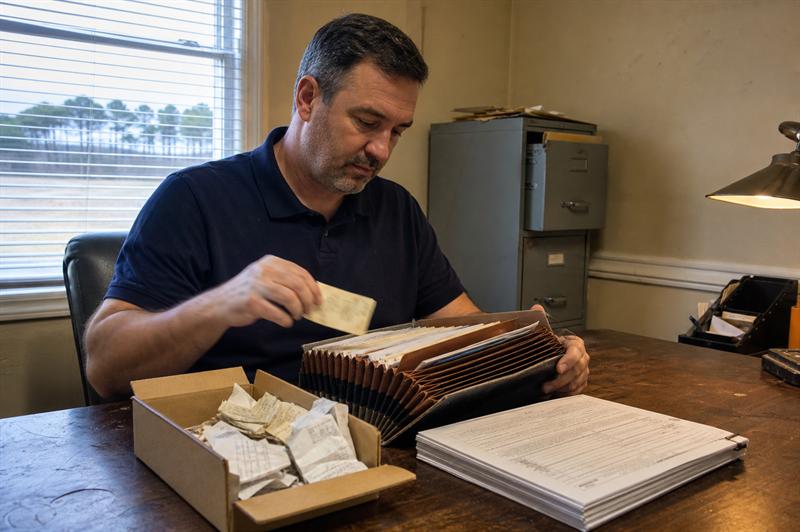

Before paying a first employee, a small business should have worker classification clarified, employee forms collected, employer payroll accounts set up, a pay schedule chosen, time and wage tracking ready, and a process for storing payroll records. At Speedy Tax Preparation & Bookkeeping Service, this is where many small business owners need the most clarity because the first paycheck starts an ongoing payroll and recordkeeping process, not a one-time task.
Why a Payroll Setup Checklist Matters Before the First Payday
Hiring someone and being ready to pay someone are not the same thing. A business can agree on a start date and pay rate and still be unprepared to run payroll correctly.
That gap is often where problems begin. Payroll setup includes records, payroll-related account setup, payment timing, tracking methods, and reporting habits that can affect bookkeeping and tax preparation long after the first pay period ends. For readers who want the broader process first, How Payroll Works for Small Businesses: A Step-by-Step Guide explains the full payroll cycle in more detail.
What can go wrong when payroll is set up too late
When payroll setup is left until the last minute, the same pattern often shows up. Employee records may be incomplete, payment details may be rushed, and reporting may get handled after the fact instead of before payday.
That can lead to corrections, confusion, and disorganized records. A common pattern is that the paycheck goes out first, then the business owner has to sort out what should have been set up earlier.
The difference between hiring someone and being ready to pay them
Hiring is the decision to bring someone on. Payroll readiness means the business has the forms, classifications, tracking process, pay schedule, and reporting structure needed to issue pay correctly and keep usable records afterward.
This distinction matters because the first payroll run can shape every payroll after it. If the setup is weak at the beginning, the same problems may keep showing up over time.
Payroll Setup Checklist for Small Business Owners
The most practical approach is to treat first payroll as a checklist, not a guess. The goal is to have the core setup steps handled before the first paycheck is issued.
Confirm worker classification before payroll begins
Before payroll is set up, the business should know whether the worker is being treated as an employee. This affects how payroll is handled, what records are needed, and how payments flow through the business.
This step is easy to miss when a business is moving quickly. Classification problems can start early, and they can become harder to untangle after payroll has already been processed. For a closer look at that issue, see Avoid Payroll Tax Errors With Proper Classification.
Gather employee forms and identifying information
Payroll needs accurate employee information from the start. That includes the tax forms and identifying details used to build the payroll record, along with the employee’s start date, pay rate, and basic employment information.
If this information is incomplete, payroll can turn into a cleanup project instead of a routine process. This is where small mistakes start to build because every future pay period depends on the same core data.
Set up employer payroll accounts and registrations
A business should have its employer payroll setup in place before issuing pay. That includes the payroll-related account setup needed to handle employee pay and related reporting responsibilities.
This part often feels less urgent than the paycheck itself, but delaying these setup steps can create extra work later. When setup happens late, payroll usually becomes more reactive and less organized.
Choose a pay schedule and payment method
The business needs a clear pay schedule before work begins. It also needs a consistent payment method, whether that is direct deposit or another structured approach.
This affects how the business approves payroll, tracks deadlines, and organizes records. If the schedule is vague, payroll usually becomes harder to manage.
Decide how hours, salary, overtime, and paid time off will be tracked
Before the first paycheck, the business needs a system for tracking the information that supports payroll. That means knowing how hours will be recorded, how salary is documented, and how time-related records will be kept consistently.
This is where problems often start for businesses that think payroll is only about entering a number into software. If the tracking process is weak, the payroll record is weaker, and that can lead to confusion later.
Enter payroll details into your payroll system or provider platform
Once the information is gathered, it has to be entered correctly into the payroll system or provider platform. That includes employee details, pay rates, withholding information, payment settings, and reporting setup.
This step matters more than it looks. If the data goes in wrong at the beginning, the business may spend more time fixing later payrolls than it would have spent setting up the first one carefully.
Review deductions, benefits, and other withholding items if applicable
If deductions, benefits, or other withholding items apply, they should be reviewed before the first payroll is processed. Payroll should reflect authorized items accurately from the beginning.
What matters here is consistency. When these details are handled late or entered inconsistently, the record may be harder to rely on later for bookkeeping and tax preparation.
Prepare reporting, recordkeeping, and payroll file storage
Payroll records should be stored in an organized, repeatable way from the start. Reports, employee information, and payroll summaries should be easy to access and easy to match to bookkeeping records.
This is something many small business owners do not think about until they need documents later. By then, disorganized payroll records can create extra work each month and more confusion at tax time.
Run a pre-payroll review before the first paycheck is issued
Before the first paycheck goes out, the business should review the full setup. That means confirming employee details, pay amount, pay date, payment method, and the accuracy of the payroll entry.
This final review can catch obvious setup errors while they are still easier to fix. Once pay has already gone out, fixing issues is usually slower and more disruptive.
Documents and Information to Have Ready
It helps to gather payroll information by category instead of trying to piece it together as questions come up. That can keep the first payroll run from turning into a last-minute scramble.
- Business information: business legal name, employer identification details, payroll account information, and pay schedule decisions
- Employee information: identifying details, completed tax forms, pay rate, and start-date information
- Banking and payment details: business bank details for payroll funding and employee payment details if needed
- Payroll reporting records: time records, payroll summaries, and saved payroll reports for bookkeeping and tax preparation
A common pattern is that a business has most of this information, but not all of it in one place. That can slow down setup and increase the chance of missed details when payday is close.
Common First-Payroll Mistakes Small Businesses Make
Most first-payroll problems are preventable. They usually happen because the setup process was rushed, fragmented, or treated like an afterthought.
For a broader look at recurring payroll issues, Common Payroll Mistakes Small Businesses Make breaks down where business owners most often run into trouble.
Misclassifying workers
Classification affects how payroll is handled, so it should be addressed before payroll begins. If this is unclear at the start, the payroll process may be built on the wrong foundation.
This can create a larger correction problem later because classification touches records, payroll treatment, and reporting responsibilities at the same time.
Missing setup steps until payday is close
When key steps are delayed, business owners often start rushing. That can lead to incomplete setup, short review time, and a higher chance of entering something incorrectly.
This is where many first-payroll issues begin. The pressure of an upcoming payday often exposes everything that should have been organized earlier.
Using incomplete employee or pay data
If employee details, tax forms, or pay information are incomplete, payroll accuracy can drop immediately. The first payroll may still go through, but the record behind it may be harder to trust.
This can get worse over time because later payrolls often repeat whatever process was used the first time. Weak setup tends to create repeated cleanup.
Failing to connect payroll to bookkeeping
Payroll does not stop at issuing the paycheck. The information from payroll should flow into the books in a way that supports monthly reporting and year-end tax preparation.
When that connection is missing, payroll can become isolated data instead of usable financial information. That may result in more confusion, slower reconciliations, and more cleanup later.
If any of these signs sound familiar, it may be time to tighten the process.
- You have hired or are about to hire, but payroll records are still scattered.
- You know the pay rate, but the pay schedule and tracking process are still unclear.
- You are close to payday and still gathering forms or setting up accounts.
- You are not sure how payroll will connect to bookkeeping after the first check goes out.
When these issues are already showing up before the first payroll run, the process usually needs more structure, not more speed.
How Payroll Data Should Flow Into Bookkeeping and Tax Preparation
Good payroll setup can help keep monthly bookkeeping cleaner because the records are already organized in a way that can be used later. That matters because payroll affects more than wages. It also affects how labor costs, related obligations, and reporting records show up across the business.
For a deeper explanation of that connection, How Payroll Data Flows Into Monthly Bookkeeping and Year-End Tax Preparation explains how payroll information supports ongoing financial organization.
Why clean payroll records matter every month
Clean payroll records can make monthly bookkeeping easier to follow and easier to maintain. When payroll details are complete and stored consistently, the business has a clearer record of what happened and where it belongs.
This can reduce cleanup work later. When records are messy from the beginning, each month may become harder than it needs to be.
What year-end tax preparation depends on from payroll records
Year-end business tax preparation depends on organized payroll records. If payroll has been tracked clearly throughout the year, tax preparation is generally more straightforward and less dependent on reconstructing missing information.
This is one of the biggest reasons first-payroll setup matters. The quality of the payroll record at the beginning can affect how much confusion shows up later.
When It Makes Sense to Get Payroll Help
Some business owners start with software and handle payroll internally. Others reach the point where payroll needs support to keep setup, reporting, bookkeeping, and tax preparation aligned.
The most practical option is usually the one that reduces repeat problems. If payroll already feels unclear before the first employee is paid, that often means the business needs more structure than a last-minute do-it-yourself setup can provide.
Signs a business owner may want payroll support
- Payroll setup steps still feel unclear even after the employee has been hired
- Important records are not organized in one place
- The owner wants payroll, bookkeeping, and business tax preparation to stay coordinated
- Year-round support would be more useful than solving payroll one deadline at a time
How payroll services fit with bookkeeping and business tax preparation
Payroll works better when it is not treated as a stand-alone task. It connects directly to bookkeeping and to the records needed later for business tax preparation.
At Speedy Tax Preparation & Bookkeeping Service, that connection matters because businesses often run into trouble when payroll, books, and tax records are handled as separate pieces. If you are comparing options, how to choose payroll services for a small business in Elizabethtown, NC explains what to look for.
Key Takeaways
- First payroll problems often start before payday, not on payday.
- A business needs more than a pay rate to run payroll correctly for a first employee.
- Classification, employee records, employer setup, pay schedule, and tracking process should be ready before the first check goes out.
- Weak payroll setup can lead to repeated errors, messy records, and bookkeeping problems later.
- Payroll works best when it is connected to monthly bookkeeping and year-end tax preparation from the start.
Conclusion
The real problem is not simply paying a first employee. The real problem is running payroll before the business is actually ready, which can lead to mistakes that carry into bookkeeping, reporting, and tax preparation.
If the setup is rushed, the first payroll run can become the start of repeated cleanup instead of a stable process. That is why taking action early makes practical sense. Speedy Tax Preparation & Bookkeeping Service can help small businesses set up payroll in a way that supports clean records, organized bookkeeping, and fewer avoidable problems later.
How Speedy Tax Preparation & Bookkeeping Service Approaches This
Speedy Tax Preparation & Bookkeeping Service approaches payroll as part of the business’s full financial record, not just as a paycheck function. That matters because the same setup choices that affect first payroll also affect monthly bookkeeping and business tax preparation later.
A common pattern is that business owners wait until payroll feels urgent, then try to solve everything at once. A more practical approach is to get the setup, record flow, and reporting habits organized before the first paycheck creates downstream problems. That is where coordinated payroll and bookkeeping support becomes useful.
FAQ
What does a small business need before running payroll for the first time?
A small business needs the core payroll setup in place before the first payroll run. That includes clear worker classification, employee forms and identifying information, employer payroll setup, a defined pay schedule, a payment method, and a way to track the information that supports payroll.
The main thing business owners often misunderstand is that knowing what to pay is not the same as being ready to run payroll. A business can have the wage amount decided and still be unprepared because the records, setup steps, and reporting process are incomplete.
How early should payroll be set up before a first employee is paid?
Payroll should be set up before payday feels close. The reason is simple: once the first pay date starts driving decisions, business owners often begin rushing through steps that should have been handled earlier.
This may result in missing information, shorter review time, and more errors in the first payroll run. The better indicator is readiness, not the calendar alone. If forms, tracking, setup, and record flow are not organized yet, payroll is not ready.
What employee forms are usually needed before paying someone?
A business generally needs the employee’s identifying and tax-related information before payroll is processed, along with the employment details used to build the payroll record. The purpose is not just paperwork. That information supports how the payroll record is created and maintained.
If those details are incomplete, the payroll record starts out incomplete too. That can create confusion later when the business needs accurate records for bookkeeping or tax preparation.
Do I need bookkeeping set up before I start payroll?
Bookkeeping does not have to be perfect before payroll starts, but payroll is usually easier to manage when bookkeeping is organized. Payroll creates financial records that should flow into the books consistently every month.
The important distinction is that payroll is not finished once the check is issued. If payroll records are not feeding into bookkeeping properly, the business may feel that problem later through cleanup work, missing context, and more difficult year-end preparation.
What is the most common first-payroll mistake for small businesses?
The most common first-payroll mistake is waiting too long to set it up. That often leads to rushed entry, scattered records, unclear tracking, and a process that is harder to trust after the first payroll is complete.
This is where problems start because the first payroll often becomes the template for every payroll after it. If the first setup is disorganized, the business may repeat the same weak process until the bookkeeping or tax side forces a correction.
When should a small business consider payroll services instead of handling payroll alone?
A small business should consider payroll services when setup feels unclear, records are hard to organize, or payroll needs to stay coordinated with bookkeeping and tax preparation. The decision is less about company size and more about whether the process is stable.
If the only challenge is entering straightforward payroll data once everything is already organized, handling it internally may be manageable. If the challenge includes classification uncertainty, recordkeeping gaps, rushed timing, or disconnected books, outside payroll support is often the more practical option because it addresses the structure behind payroll, not just the payment itself.